
Technology
S.E.M Technology: ion exchange membrane electrolysis for mining
How the open-source electrochemical recovery platform works, what it has done on the bench, and what it has not done yet.
What it is
Salt water, electricity, and a membrane between them
S.E.M Technology is Rowow’s open-source platform that uses salt water and electricity to extract, concentrate, and refine metals from ore, mine tailings, e-waste, slag, and industrial waste. The leaching chemistry (hydrochloric acid plus sodium chlorate) is derived from seawater and regenerated electrochemically every cycle. The system runs closed loop, so there is no repeated chemical makeup and no waste acid stream.
Electrochemistry is more than a lab tool. It is a scalable way to treat waste streams, regenerate chemistry, recover metals, and refine products with precision. By controlling ions and redox reactions directly with electricity, the cell can reduce reagent use, simplify workflows, and open process options that conventional chemistry cannot match.
How it runs
Four ways to run the same cell
All four run the same tank, electrodes and membranes, reconfigured by what is fed in and which membrane sits between the chambers. Anode on the left, cathode on the right, feeds in at the top, products out at the bottom, in every drawing.
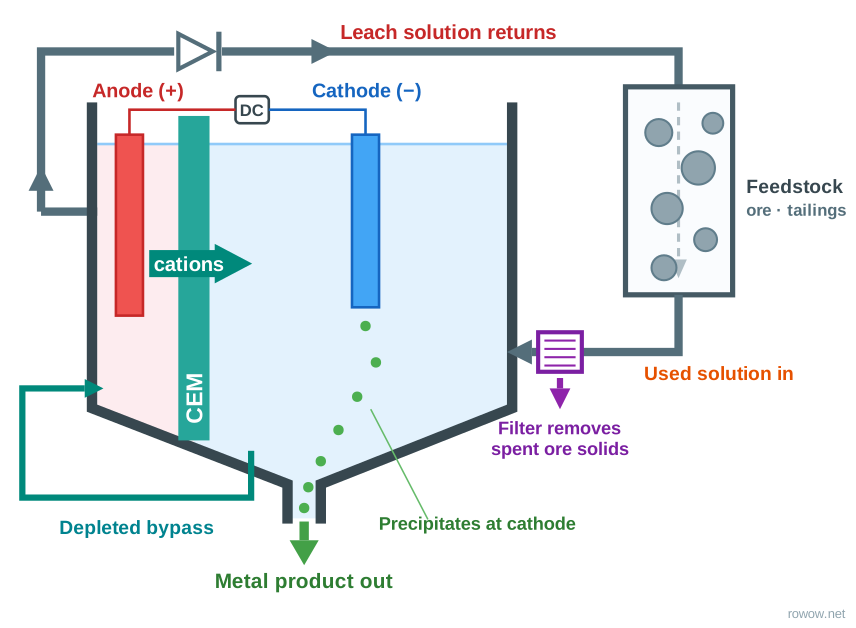
Continuous mining
Ore or tailings go in as a slurry. Regenerated acid leaches the metals, cations cross the membrane and plate on the cathode, and a filter removes the spent ore solids. Bench runs on raw ore and mine tailings; continuous solid handling is not yet built.
View full size →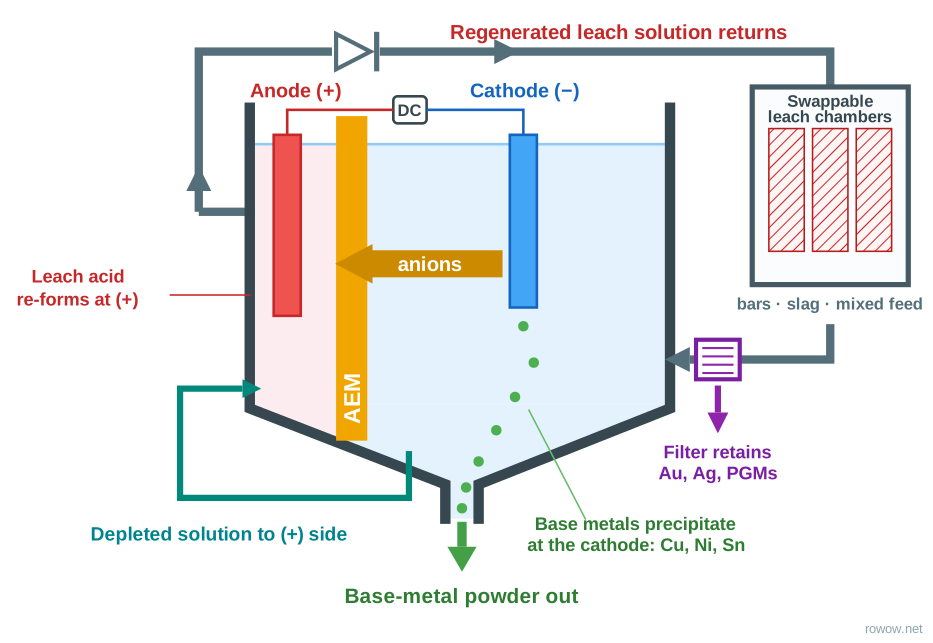
Continuous refining
Concentrate or scrap goes in. Base metals dissolve and plate out; gold, silver and platinum group metals stay on the filter as a solid for downstream refining. Demonstrated on e-waste at bench scale.
View full size →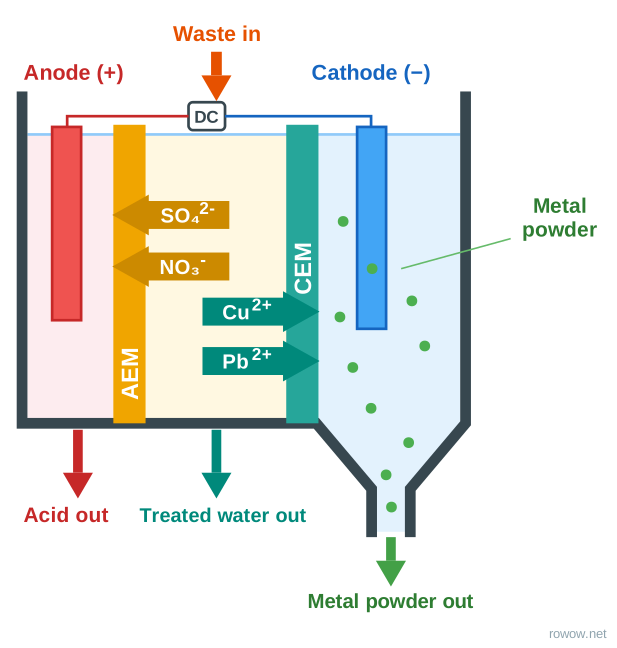
Continuous treatment
Acidic or metal-bearing liquid waste. Anions cross the anion membrane to the anode side, cations cross the cation membrane to the cathode side and leave as metal powder, and the middle chamber discharges treated water. One bench run on clear mining waste reduced heavy metals within 5 to 10 minutes at about $5 per ton. One feed, not a range.
View full size →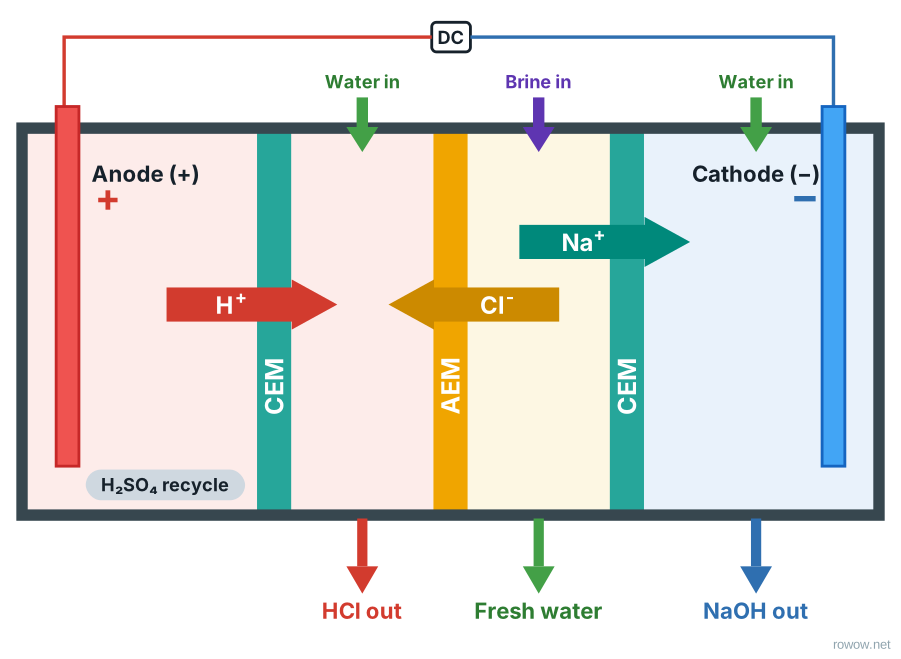
Continuous production
Brine in. Four chambers split salt water into hydrochloric acid on the anode side and sodium hydroxide on the cathode side, the reagents the other three modes consume. The outputs describe the cell as designed; they have not been characterized on a metered bench run.
View full size →Results so far
Measured results and open questions, side by side
Every figure names its basis. Where a result rests on one bench run or one feed, the page says so rather than presenting it as a range.
Demonstrated
Up to 99% recovery at bench scale.
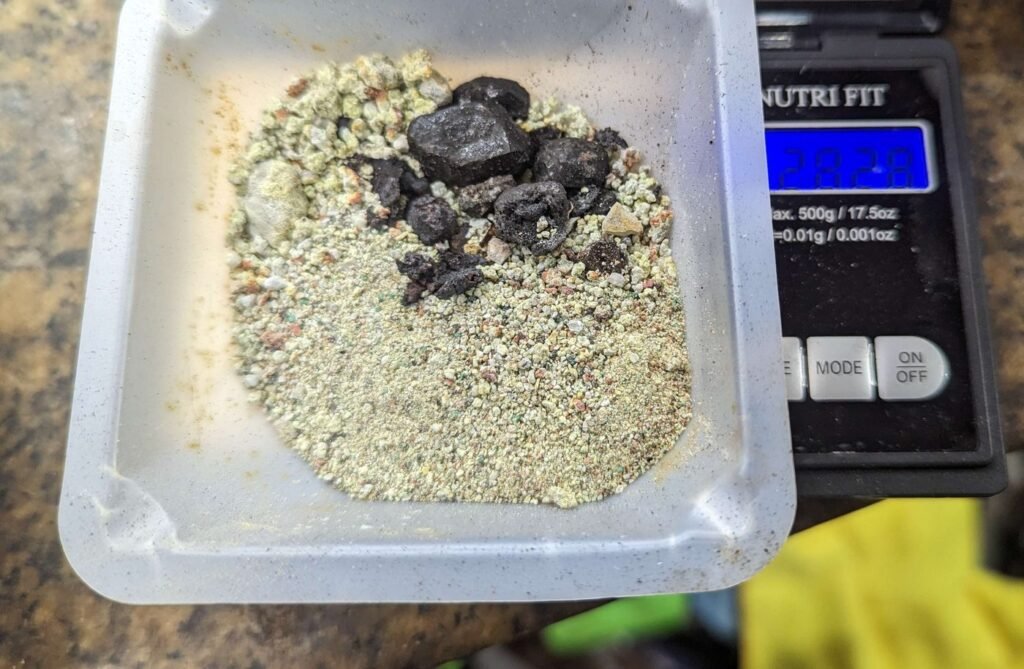
53 of the 60 US critical minerals detected by in-house XRF in a single leach solution, or predicted to dissolve by the same chloride chemistry. This is a coverage measurement, not a recovery measurement.
Third-party assay through ICP-MS confirmed rhodium recovery, a metal that aqua regia leaves untouched.
One bench run on clear mining waste reduced its heavy metals within 5 to 10 minutes at about $5 per ton, while the acid was recovered and regenerated.
No membrane failure has been observed after nearly a year of continuous service in harsh acidic mining conditions.
Results are measured in house on a Rigaku NEX DE lab spectrometer, which detects elements from sodium through uranium.
Not yet proven
Continuous solid handling downstream of the leach.
Production mode acid and base outputs on a metered run.
The $30 to $400 per ton cost is a model, not an operating record.
That the neutralized final solids are no more hazardous than ordinary agricultural soil. Designed for, not independently tested.
Membrane life and areal resistance beyond the service observation above: a characterization campaign is planned, preprint to follow.
The membrane
Made from hardware store materials, and published
The membrane is the core of the platform. It lets one kind of ion through and holds the other back, so acid regenerates on one side while metal plates on the other.
Commercial ion exchange membranes list at roughly $229 to $242 per square foot. Ours is made from pulverized water softener resin dispersed in PVC cement and costs about $0.99 per square foot at 160 microns dry thickness. We filed U.S. non-provisional patent application #19/531,984 to anchor the work, then released the design to the open source under CERN-OHL-S v2 so anyone can build on it.
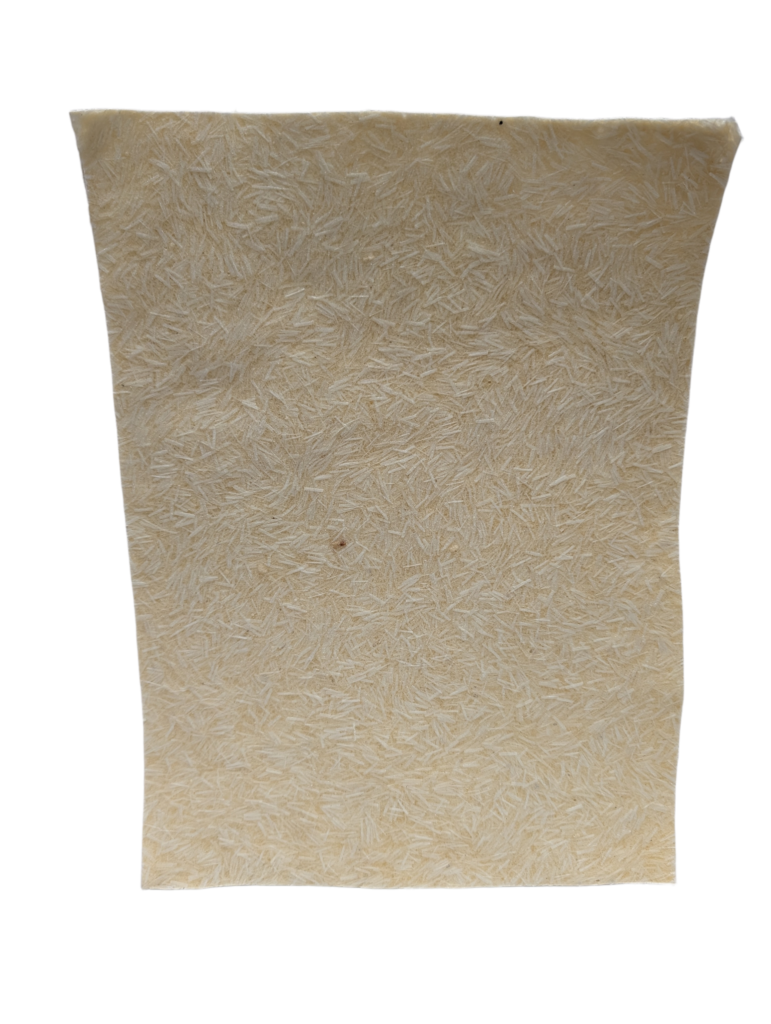
The cation exchange membrane, cast from ion exchange resin in PVC cement on fiberglass cloth. Ships wet; never let it dry.
DIY ion exchange membrane materials list
Want to build your own membrane? Below are the materials we use, with affiliate links to Amazon. Using these links helps support our open-source research at no extra cost to you.
Buy the gallon rather than the quart or the eight ounce can. The same cement costs several times more per kilogram of PVC in the small sizes. Use regular body clear only: medium and heavy body carry a mineral filler, and regular body is the only unfilled grade. Note: These are affiliate links. Rowow LLC may earn a small commission if you purchase through them, at no extra cost to you.
See it in action
Watch how our electrochemical system works in a real-world demonstration.