
Technology
S.E.M Technology: ion exchange membrane electrolysis for mining
How the open-source electrochemical recovery platform works, what it has done on the bench, and what it has not done yet.
What it is
Salt water, electricity, and a membrane between them
S.E.M Technology is Rowow’s open-source platform that uses salt water and electricity to extract, concentrate, and refine metals from ore, mine tailings, e-waste, slag, and industrial waste. The leaching chemistry (hydrochloric acid plus sodium chlorate) is derived from seawater and regenerated electrochemically every cycle. The system runs closed loop, so there is no repeated chemical makeup and no waste acid stream.
How it runs
Four ways to run the same cell
All four run the same tank, electrodes and membranes, reconfigured by what is fed in and which membrane sits between the chambers. Anode on the left, cathode on the right, feeds in at the top, products out at the bottom, in every drawing.
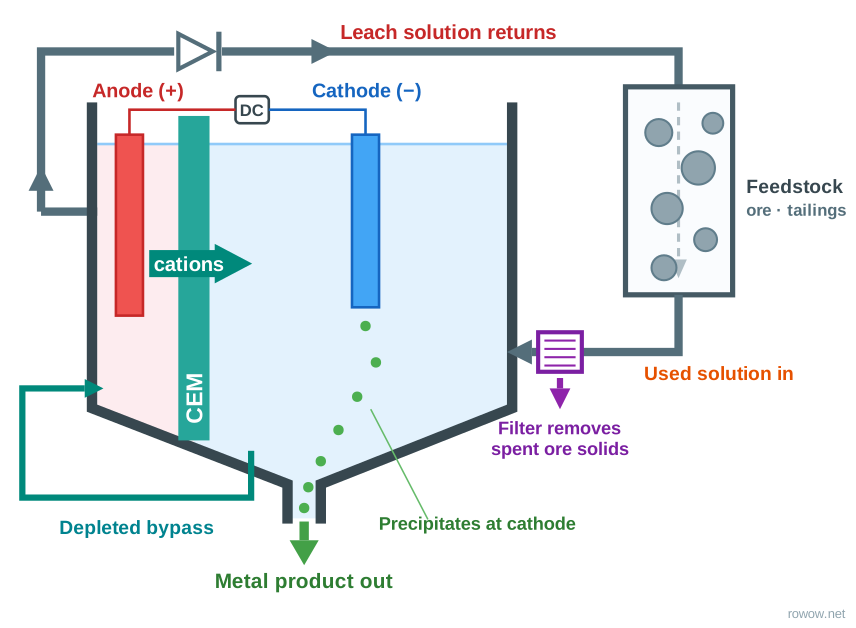
Continuous mining
Ore or tailings go in as a slurry. Regenerated acid leaches the metals, cations cross the membrane and plate on the cathode, and a filter removes the spent ore solids. Bench runs on raw ore and mine tailings; continuous solid handling is not yet built.
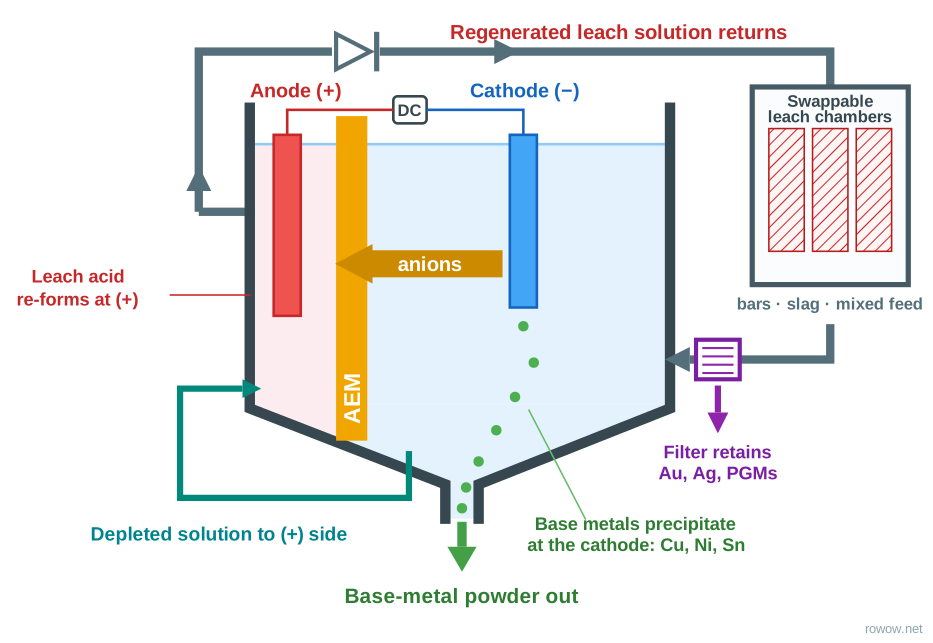
Continuous refining
Concentrate or scrap goes in. Base metals dissolve and plate out; gold, silver and platinum group metals stay on the filter as a solid for downstream refining. Demonstrated on e-waste at bench scale.
View full size →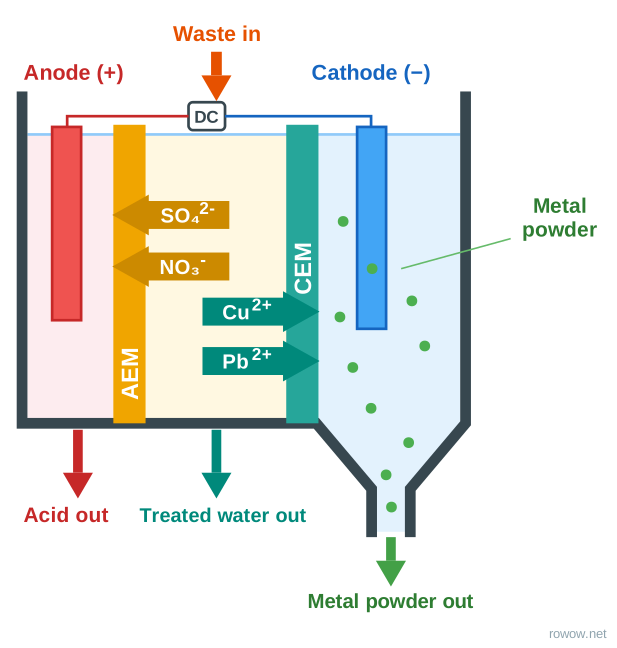
Continuous treatment
Acidic or metal-bearing liquid waste. Anions cross the anion membrane to the anode side, cations cross the cation membrane to the cathode side and leave as metal powder, and the middle chamber discharges treated water. One bench run on clear mining waste reduced heavy metals within 5 to 10 minutes at about $5 per ton. One feed, not a range.
View full size →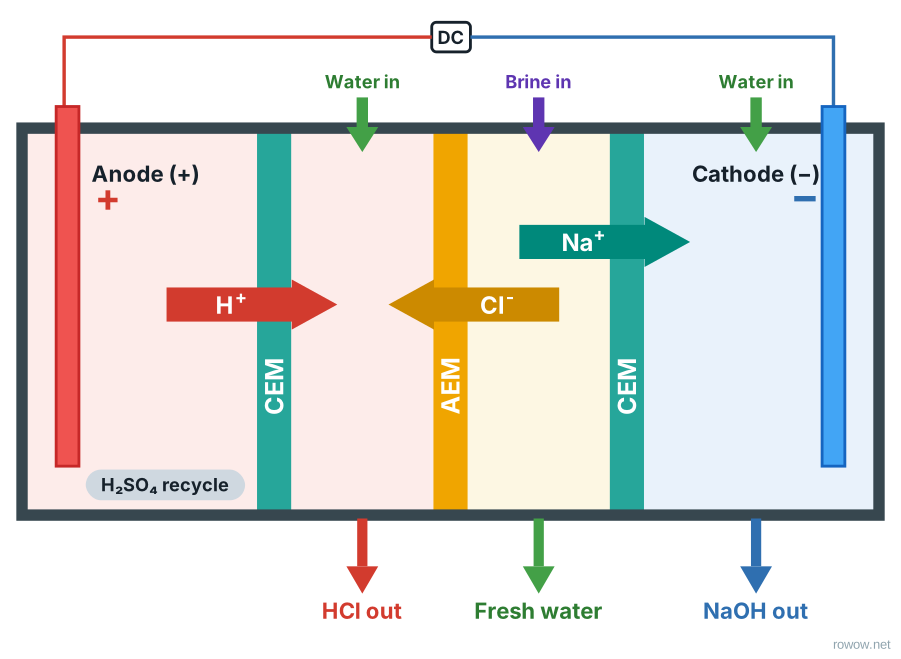
Continuous production
Brine in. Four chambers split salt water into hydrochloric acid on the anode side and sodium hydroxide on the cathode side, the reagents the other three modes consume. The outputs describe the cell as designed; they have not been characterized on a metered bench run.
View full size →Which elements it handles
Element by element, on one periodic table
The interactive periodic table shows what each naturally occurring element does in the chloride electrolysis loop: plated at the cathode, separated by the membrane, given off at the anode as regenerated acid or gas, or left for a secondary leach chemistry. A second view marks which elements are on the US critical minerals list.
Results so far
Measured results and open questions, side by side
Every figure names its basis. Where a result rests on one bench run or one feed, the page says so rather than presenting it as a range.
Demonstrated
Up to 99% recovery at bench scale.
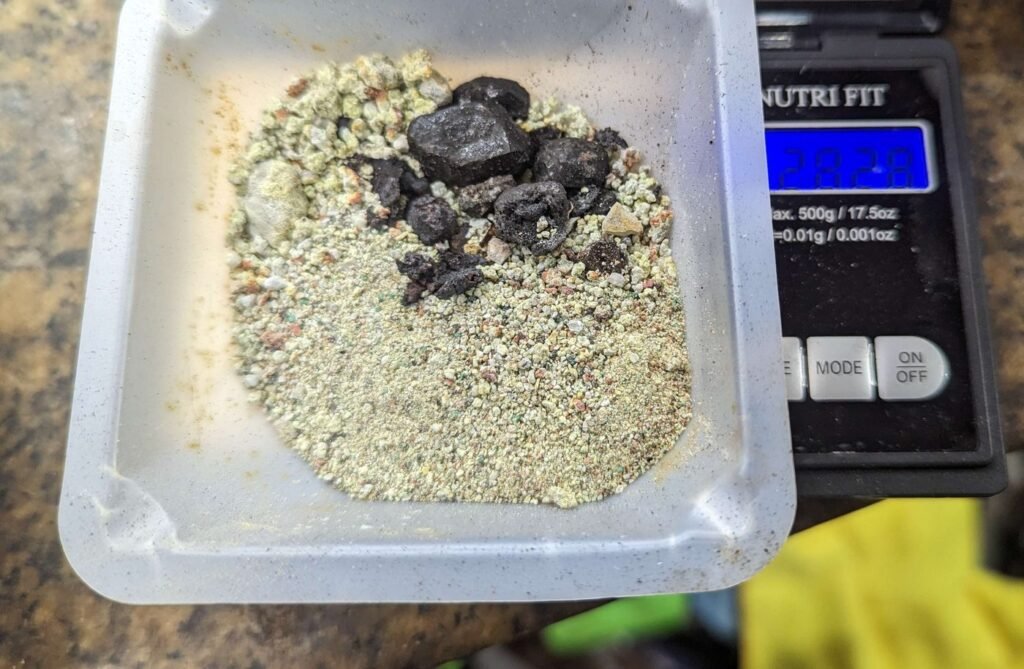
53 of the 60 US critical minerals detected by in-house XRF in a single leach solution, or predicted to dissolve by the same chloride chemistry. This is a coverage measurement, not a recovery measurement.
Third-party assay through ICP-MS confirmed rhodium recovery, a metal that aqua regia leaves untouched.
One bench run on clear mining waste reduced its heavy metals within 5 to 10 minutes at about $5 per ton, while the acid was recovered and regenerated.
No membrane failure has been observed after nearly a year of continuous service in harsh acidic mining conditions.
Results are measured in house on a Rigaku NEX DE lab spectrometer, which detects elements from sodium through uranium.
Not yet proven
Continuous solid handling downstream of the leach.
Production mode acid and base outputs on a metered run.
The $30 to $400 per ton cost is a model, not an operating record.
That the neutralized final solids are no more hazardous than ordinary agricultural soil. Designed for, not independently tested.
Membrane life and areal resistance beyond the service observation above: a characterization campaign is planned, preprint to follow.
The membrane
Made from hardware store materials, and published
The membrane is the core of the platform. It lets one kind of ion through and holds the other back, so acid regenerates on one side while metal plates on the other.
Commercial ion exchange membranes list at roughly $229 to $242 per square foot. Ours is made from pulverized water softener resin dispersed in PVC cement and costs about $0.99 per square foot at 160 microns dry thickness. We filed U.S. non-provisional patent application #19/531,984 to anchor the work, then released the design to the open source under CERN-OHL-S v2 so anyone can build on it.
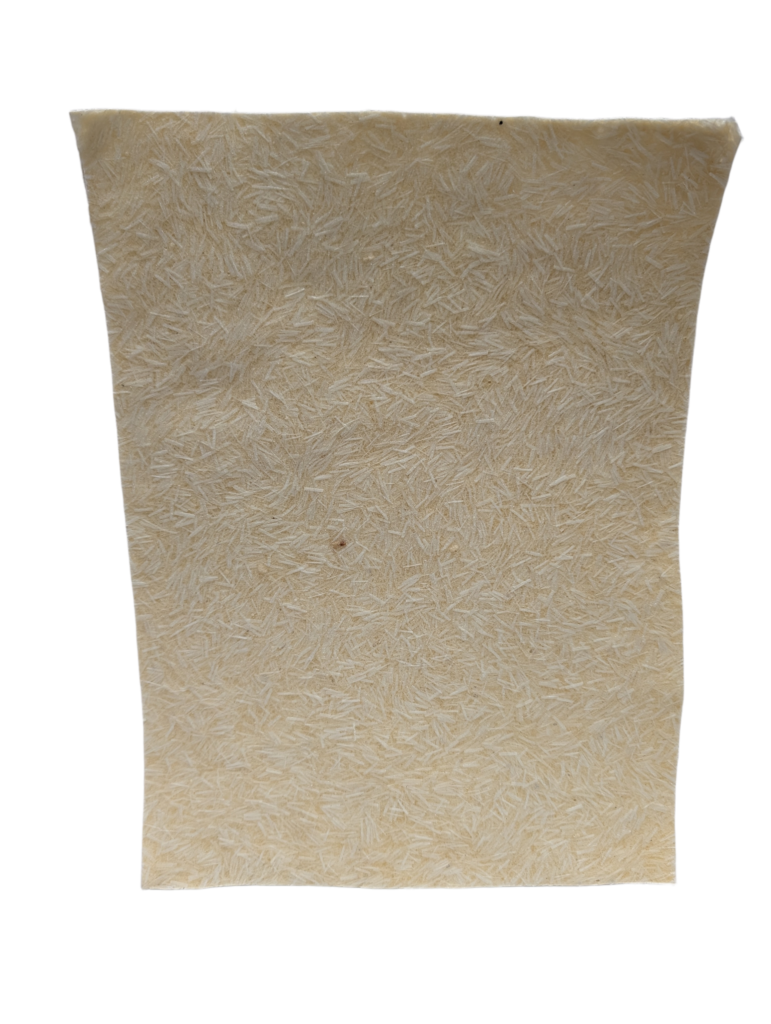
The cation exchange membrane, cast from ion exchange resin in PVC cement on fiberglass cloth. Ships wet; never let it dry.
See it in action
Watch how our electrochemical system works in a real-world demonstration.
Future opportunities
Other uses for a low-cost membrane
The same membrane and cell hardware fit other electrochemical systems where membrane cost has held them back. These are fields where membranes are used today, not Rowow products.
Fuel cells
A membrane fuel cell turns hydrogen into electricity, and a hydrogen cell’s only exhaust is water.
Electrofuels
Electrolysis splits water for hydrogen, which is combined with captured carbon dioxide to make methanol.
Flow batteries
Two liquid electrolytes kept apart by a membrane store energy for the grid over long charge cycles.
Hydroponics
A membrane cell can hold nutrient balance and pH steady in recirculating water so it can be reused.
Salinity gradient power
A membrane stack makes electricity from the difference between salty and fresh water, such as brine and river water.
Chemical manufacturing
Chlor-alkali plants already use membranes to make acid, base and salt products at industrial scale.
In the drawings: red bar, anode (+); blue bar, cathode (−); green band, cation exchange membrane; amber band, anion exchange membrane.
Where this is going
Lab scale today, a portable pilot next
S.E.M Technology runs today at lab and small prototype scale, validated on real ore, tailings, and liquid mine waste. The next step is a pilot scale system on a portable trailer, sized for about 1 to 5 tons of ore per day, the threshold where mining and e-waste feedstocks become economic. The model below is a concept layout of that unit, not a built machine: ground ore goes into a hopper, a continuous vacuum drum filter separates the leach liquor from the solids, the liquor runs through a stack of cone-bottom membrane cells, and the regenerated acid goes back to the ore.
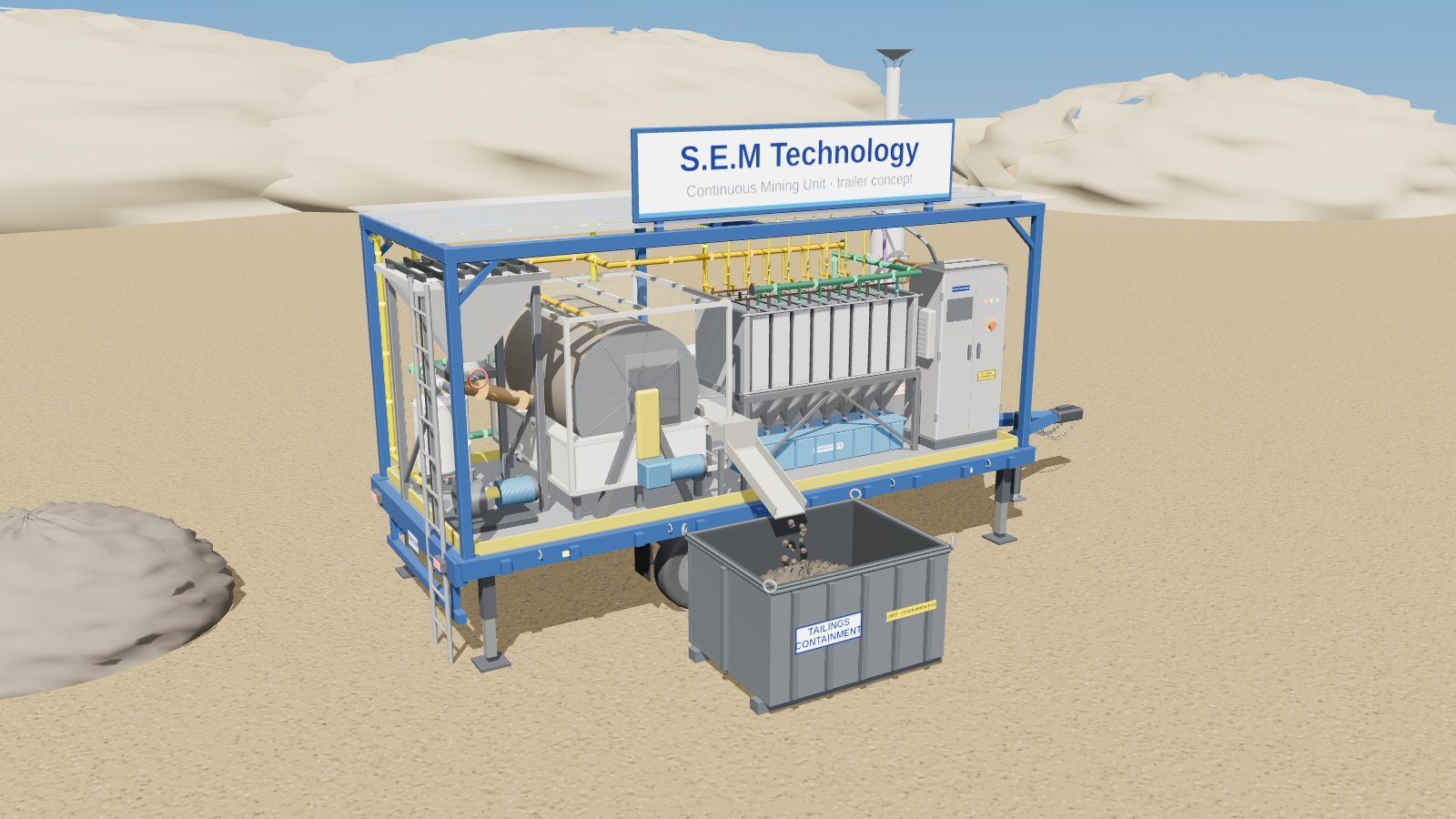 Concept layout, not built
If you have a feedstock, a waste stream, or a project that might fit, we would like to hear about it. Or start with a demonstration run on your material.