One sample, run individually. This is the listing to use for a solid object: a bar, ingot, casting, drill core, coupon or finished part.
Each single analysis is loaded, positioned and aligned by hand, and the chamber is opened and reset between samples. That hands on time is what this price covers.
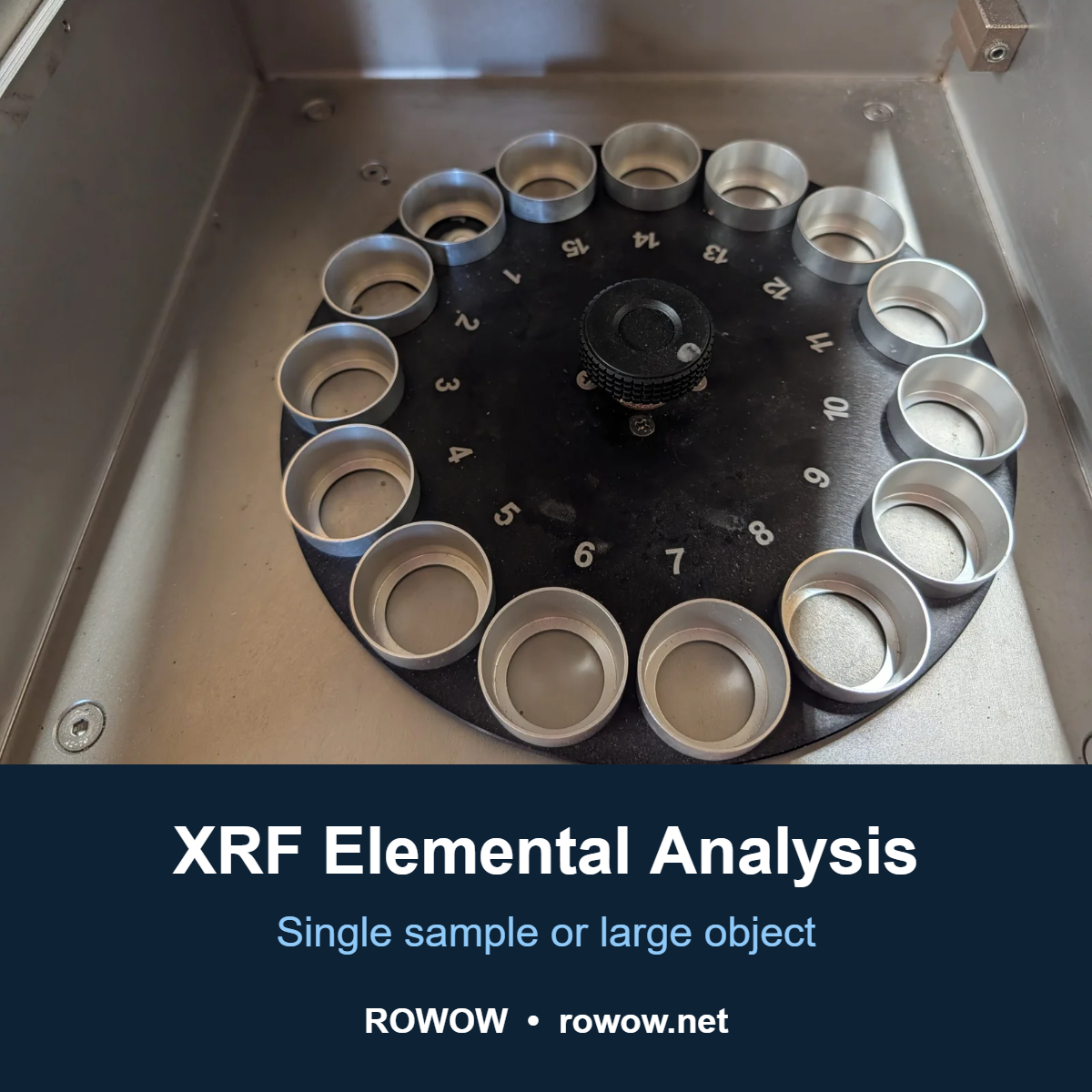
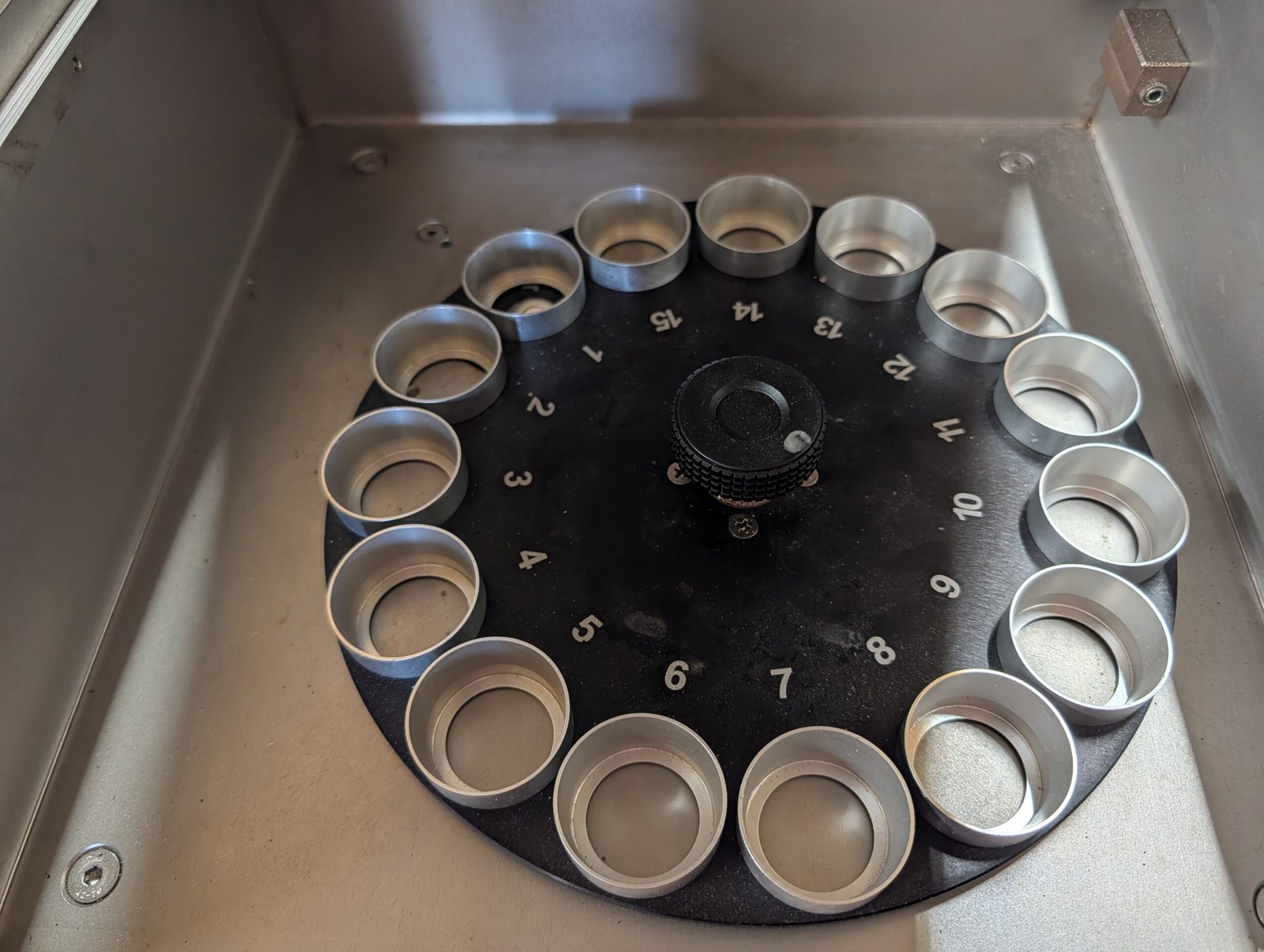
If you are submitting powders or liquids in cups, the six analysis listing is better value at 33.33 per sample. Cups load into the autosampler tray and run unattended, so a batch takes a fraction of the handling time. Only use this single listing for powder or liquid if you genuinely have just the one.
Size limits
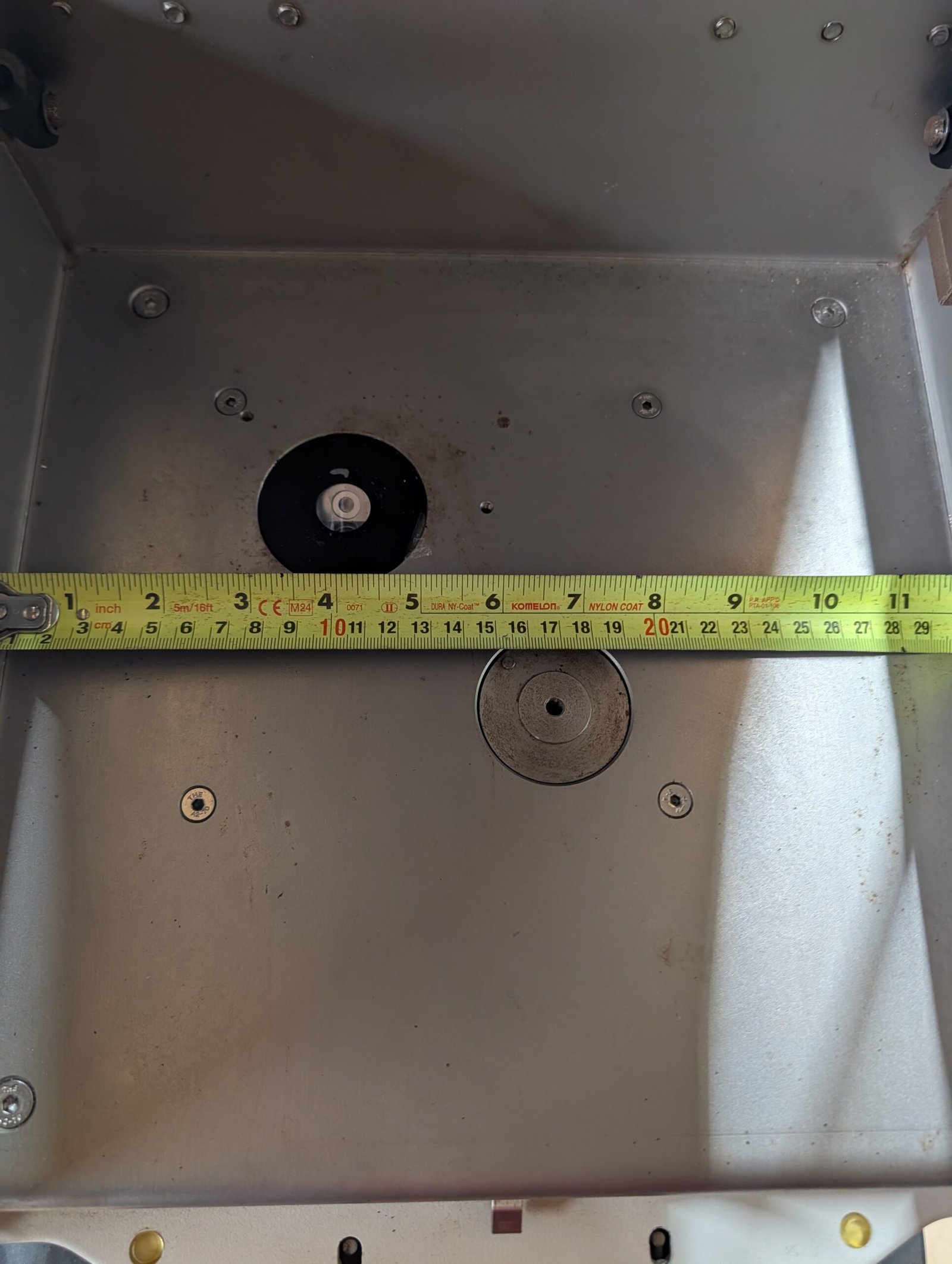
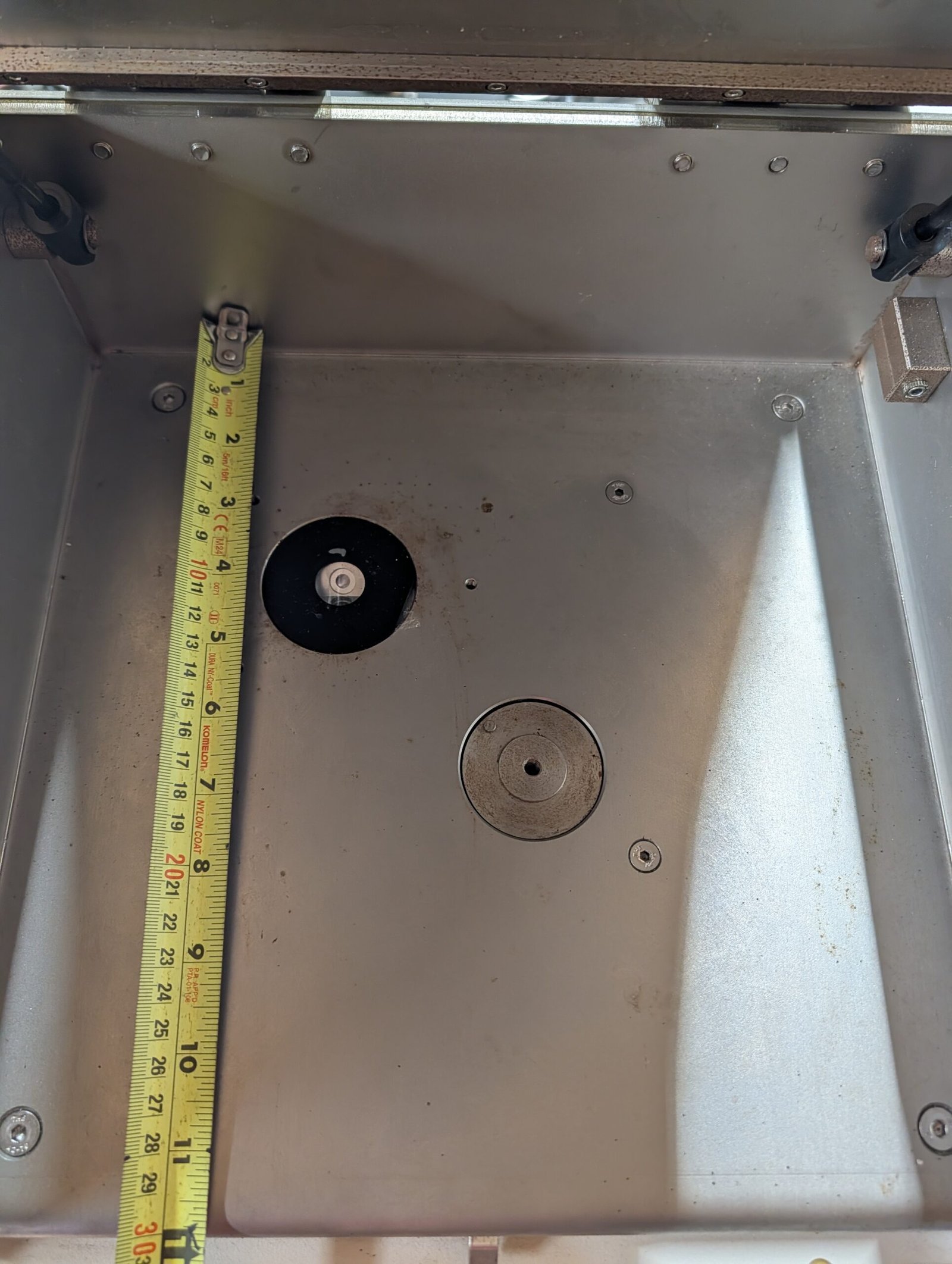
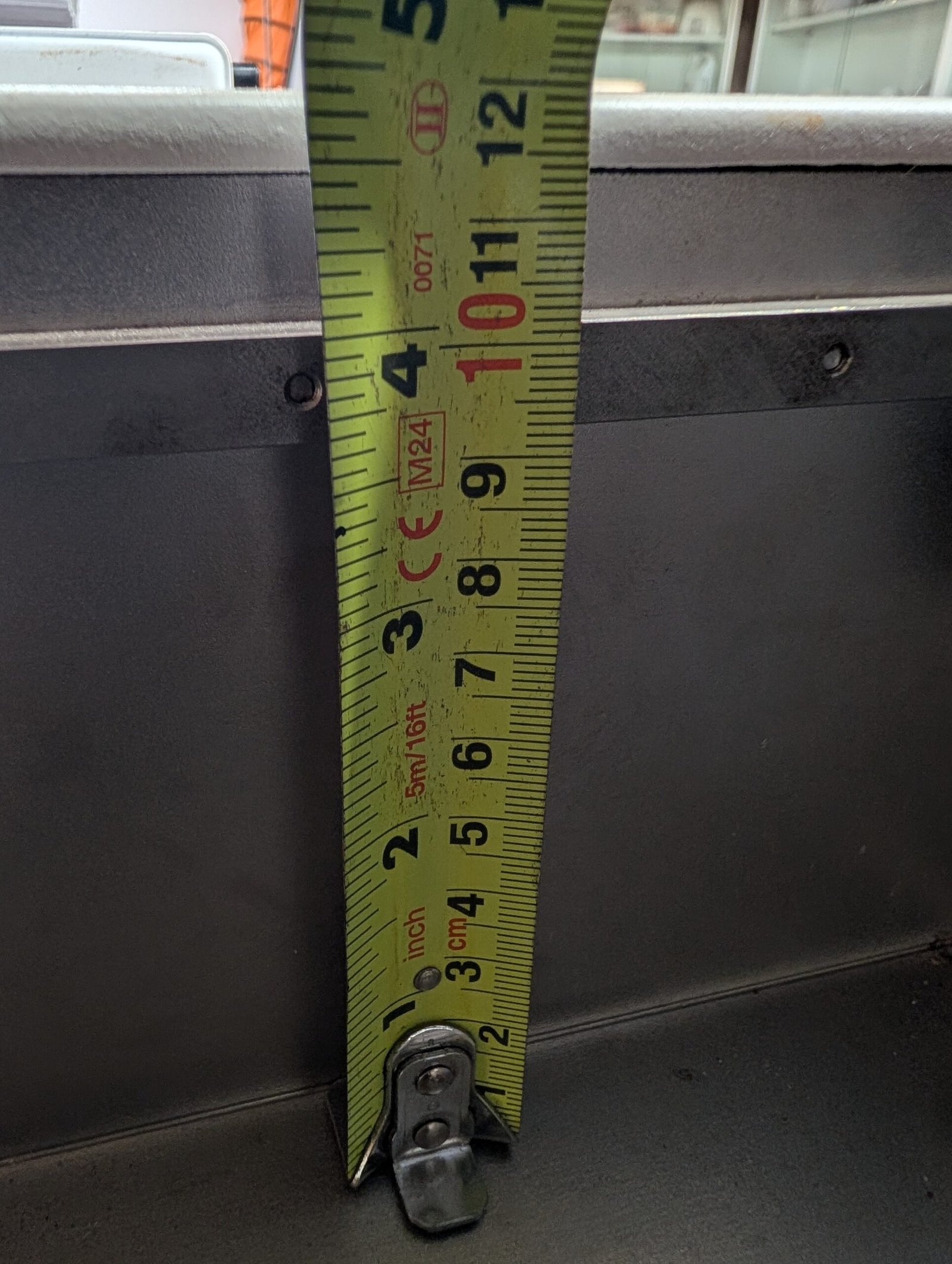
Solid object: must fit within 280 mm by 280 mm and 89 mm high (11 by 11 by 3.5 inches). The face to be measured has to sit flat and level. These are working limits stated below the instrument maximum, so ask before shipping anything close to them.
The measurement window is offset, sitting roughly 4 in by 4 in from the corner of the chamber. Before sending a large item, confirm both that it fits the chamber and that the surface you want measured can be positioned over that window.
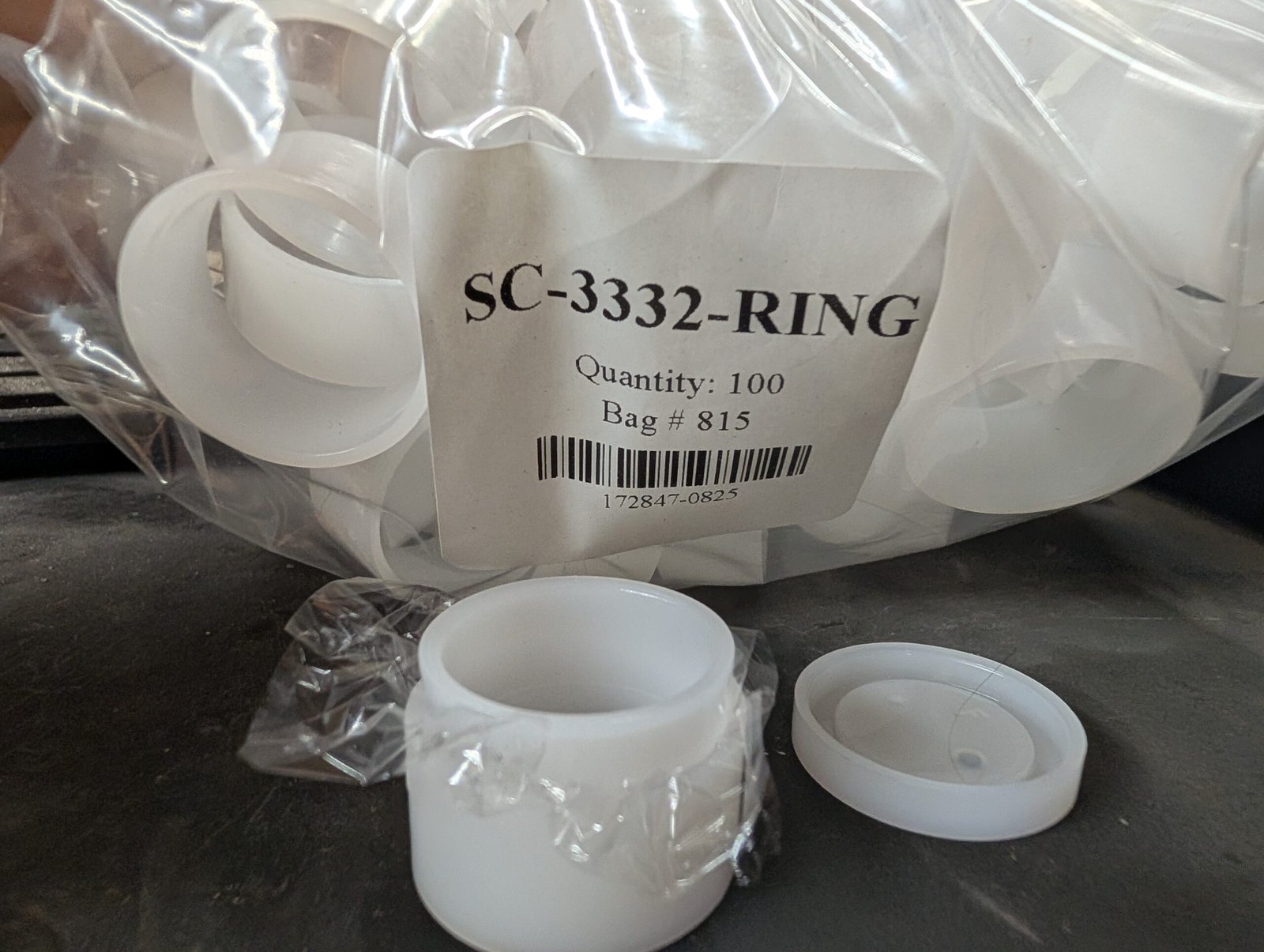
Powder or liquid: 32 mm cup, 10 mL maximum, 7 mL recommended minimum. Roughly 10 to 15 g for a dense mineral powder. Material must be compatible with polypropylene and must not dissolve, corrode, damage or weaken the cup or its thin retaining film.
Instrument
Rigaku NEX DE energy dispersive XRF, helium purge. Rowow LLC has no affiliation with, or endorsement by, Rigaku.
Element range
Sodium (Na) through uranium (U).
The light elements Na, Mg, Al, Si, P and S are measured under helium purge and are semi-quantitative. In metal-rich or mineral-rich samples sodium is usually below the reporting limit and magnesium is approximate. If a light element is central to your decision, ask before ordering.
Rough detection limits
Working figures, not certified limits:
- Mid-range elements (roughly K through Zr) in a light matrix: tens of ppm
- The same elements in a heavy matrix such as iron, copper or lead rich material: one to several hundred ppm
- Light elements (Na through S): percent level
Heavier matrices absorb the signal, so the same element reads differently depending on what surrounds it. If you need parts per billion, XRF is the wrong method and you want ICP-MS.
What XRF cannot tell you
- Nothing below sodium. Carbon, nitrogen, oxygen, fluorine, lithium, beryllium and boron are invisible to any XRF at any price. Oxygen is calculated, never measured.
- Elements only, not compounds or oxidation states. You get total iron, not Fe(II) against Fe(III), and not magnetite against hematite. Identifying which mineral or compound an element sits in needs XRD.
- Surface only. Roughly the top 10 to 100 microns. Coatings, plating, oxide, oil and paint dominate the result.
- One spot, roughly 10 mm across. The result describes that spot, not the average of a heterogeneous sample.
Known hard cases
Some element pairs sit too close together for an energy dispersive detector to separate. The common ones:
- Vanadium in a titanium-rich sample
- Chromium alongside vanadium
- Arsenic alongside lead
- Cobalt alongside iron
- Iridium alongside lead. If lead is present, treat any reported iridium as unreliable.
These are reported as screening indications rather than firm numbers. Ask first if one of these pairs is what you need.
How composition is estimated
Composition is estimated from instrument calibration. Absolute values are approximate without matrix-matched standards, and relative comparison between similar samples is more reliable than any single absolute number.
Sample preparation
No preparation is performed here. The sample is loaded and measured as submitted.
Powders should be dry and ground as fine as you can manage, ideally under 75 microns. Grain size directly affects the lighter elements. Coarse, wet or oily samples can be run, but the numbers will be softer. Note it on your order and it will be recorded on the report rather than quietly degrading the result.
Not accepted
Radioactive material, biological or medical samples, explosives or energetic material, compressed gas, and unsealed free liquids. If you are unsure, ask before shipping.
What the results are not for
Results are not certified and Rowow is not an accredited laboratory. They are not suitable for commercial settlement, JORC or NI 43-101 resource reporting, customs declarations, or regulatory compliance. For any of those you need an accredited laboratory.
Deliverable and turnaround
PDF report by email, listing detected elements and estimated composition. Often same day or two business days, though turnaround is not guaranteed and orders run first come, first served.
Before you ship
Read the XRF Analysis Service Terms before shipping anything. They cover the instrument and the status of results, the element range, what the report contains, required labeling and hazard documentation, method limitations, sample preparation, the retest policy, the 7 day holding period, and turnaround.